
Cut your heating bill: the right renovations in 2026
Insulation, heat recovery ventilation, windows — which works deliver the best return? Our practical guide to renovating efficiently.
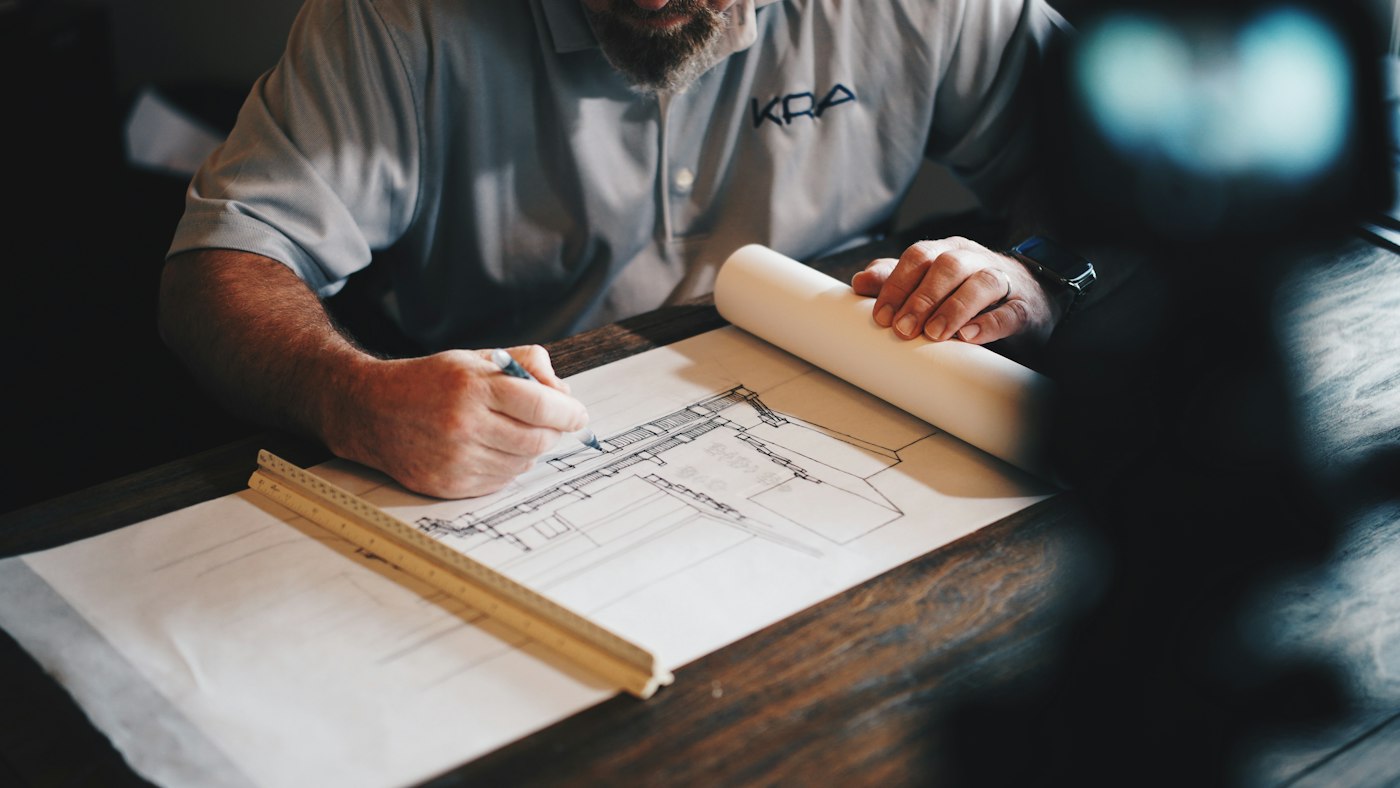
Home energy renovation in Luxembourg has shifted from a discretionary upgrade to a core asset management decision. Rising energy tariffs, tightening Energy Performance Certificate (CPE / Passeport Énergétique) requirements, and property resale value require a structured, evidence-led methodology. In 2026, the most successful projects avoid piecemeal equipment replacements and follow a strict building physics sequence: diagnose losses, upgrade the thermal envelope, control ventilation, and only then size high-efficiency heating systems to the reduced heat demand.
1) Eliminate baseline heat losses: roof, walls, and exterior openings
The highest return on energy investment always begins with the building envelope. In typical Luxembourg residential stock built between 1960 and 1990, uninsulated roofs account for 25% to 30% of total heat loss, exterior walls for 20% to 25%, and outdated glazing for 15% to 20%. Installing a new heat source before insulating the building envelope simply forces modern equipment to compensate for a leaking shell.
Priority must be given to roof insulation—either between and beneath rafters using high-density mineral wool or wood fibre with a continuous smart vapour-control membrane, or via external over-rafter insulation (sarking) during a re-roofing project. External wall insulation (ETICS/ITE) eliminates structural thermal bridges at floor slab junctions. Upgrading to triple-glazed window units (Uw ≤ 0.8 W/m²K) with thermally broken frames and airtight perimeter taping completes the thermal barrier.
2) Pair airtightness with heat recovery ventilation (MVHR)
A high-performance thermal envelope creates an airtight building structure. Without controlled mechanical air renewal, moisture from daily living accumulates indoors, creating condensation risks, potential mould growth, and degraded indoor air quality.
Mechanical Ventilation with Heat Recovery (MVHR / VMC double flux) is the engineered standard for retrofitted homes. It extracts stale, humid air from kitchens and bathrooms, transferring over 85% of its heat energy to incoming fresh outdoor air via a counterflow heat exchanger without cross-contamination. Filtered, tempered fresh air is continuously supplied to living areas and bedrooms, eliminating the substantial energy losses associated with manual window airing.
3) Size heating systems to post-renovation thermal loads
Heat generation technology—whether an air-to-water heat pump, geothermal ground-source system, or district heating connection—must be calculated exclusively on the building’s projected post-renovation heat loss, never on historical fuel bills.
When an envelope renovation cuts heating demand from 220 kWh/m²/year down to 40–50 kWh/m²/year, the required boiler or heat pump capacity drops by up to 70%. A right-sized heat pump operating at low flow temperatures (30–35 °C with underfloor heating, or 45 °C with low-temperature radiators) achieves an optimal Seasonal Coefficient of Performance (SCOP), lowers capital expenditure, and prevents the premature component wear caused by frequent cycling.
4) Structured sequencing, contractor coordination, and Klimabonus funding
Technical execution requires strict inter-trade sequencing: scaffolding, roof works, external wall insulation, window installation, airtightness membrane testing (Blower Door), MVHR ducting, plumbing, electrical rewiring, and final architectural finishes. Overlapping trades without clear junction details is the leading cause of budget inflation and thermal bridging.
In Luxembourg, state financial aid through the Klimabonus scheme (administered by Klima-Agence) and the 3% super-reduced housing VAT rate (TVA logement 3% via the AED) substantially offset capital expenditure. Securing these grants requires an initial certified energy audit (conseil en énergie) before works commence, verified technical datasheets for all insulation materials and heating plant, and certified execution by qualified contractors.
FAQ
What is the correct sequence of works for an energy retrofit?
The optimal sequence is: 1) Certified energy diagnostic and heat loss calculation, 2) Building envelope insulation (roof, walls, windows) and airtightness sealing, 3) Mechanical heat recovery ventilation installation, 4) Low-temperature heat pump installation, 5) Interior finishing works.
How do I qualify for Klimabonus grants in Luxembourg?
You must engage an accredited energy consultant (conseiller en énergie) to perform an initial certified energy audit prior to signing contractor bids or starting on-site work. All proposed materials and plant must meet specific thermal resistance and efficiency criteria specified by the Ministry.
Can Klimabonus grants be combined with the 3% VAT rate?
Yes. Direct state grants from the Klimabonus program can be combined with the super-reduced 3% VAT rate on qualifying labour and materials for principal residences, up to the statutory tax cap managed by the AED.
What Energy Performance Certificate (CPE) rating can be achieved?
Older detached properties rated F, G, or I on their Energy Performance Certificate (Passeport Énergétique) routinely achieve B or A energy class ratings following a comprehensive envelope and building services retrofit.
Is it possible to complete the energy renovation in phases?
Yes, provided all phases are executed against a unified master plan. Planning service penetrations, MVHR duct risers, and electrical sub-panels during phase one prevents opening finished walls during subsequent stages.
Planning a comprehensive home energy renovation in Luxembourg? Book a technical site assessment to establish your project sequence and subsidy roadmap.
6 min